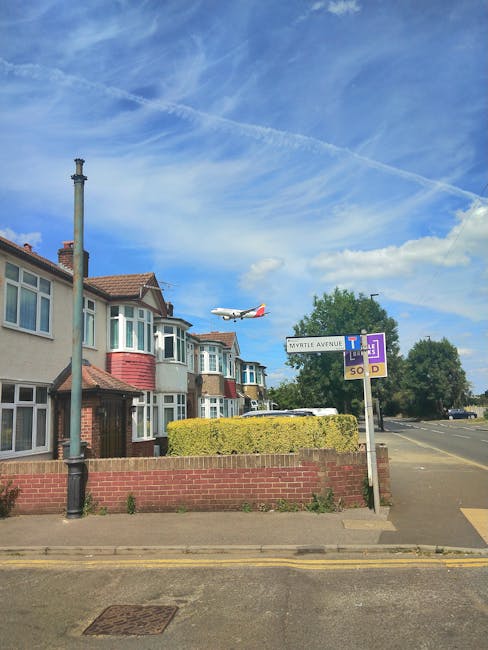
Heathrow Area Small Move Removals: Local Access Tips That Actually Make the Move Easier
If you are planning a small move near Heathrow, you already know the tricky part is not always the lifting. It is the access. Narrow residential streets, airport traffic, short loading windows, flats with awkward stairwells, and the simple problem of "where exactly can the van stop?" can turn a quick job into a frustrating one. That is why Heathrow area small move removals local access tips matter so much. A well-planned small move can feel smooth, calm, and almost effortless; a poorly planned one can drag on for hours. In this guide, you will find practical advice to help you plan smarter, move faster, and avoid the usual local headaches.
We will cover how small moves work in the Heathrow area, what to watch out for, how to prepare your belongings, and how to make local access work in your favour. There are also useful comparisons, a checklist, and a real-world example so you can picture how this plays out on the ground. Let's get into it.
Table of Contents
- Why Heathrow area small move removals local access tips Matters
- How Heathrow area small move removals local access tips Works
- Key Benefits and Practical Advantages
- Who This Is For and When It Makes Sense
- Step-by-Step Guidance
- Expert Tips for Better Results
- Common Mistakes to Avoid
- Tools, Resources and Recommendations
- Law, Compliance, Standards, or Best Practice
- Options, Methods, or Comparison Table
- Case Study or Real-World Example
- Practical Checklist
- Conclusion
- Frequently Asked Questions
Why Heathrow area small move removals local access tips Matters
Heathrow is a busy part of west London. That sounds obvious, but it matters in very practical ways. A small move here is not just about a sofa, a few boxes, and a man with a van. It is about timing around airport traffic, dealing with residential parking pressure, and working around buildings that are not always designed for easy access. A "small move" can still become a big nuisance if the vehicle cannot park close enough or if your entrance is up three flights of stairs with a turn at the top. You know the sort.
Local access tips help you avoid wasted time, extra lifting, and awkward back-and-forth from van to door. They also reduce the risk of damage to your items, your property, and the vehicle. For anyone moving a few items across Heathrow, Harlington, Hayes, Cranford, Sipson, or nearby roads, understanding access is often the difference between a tidy move and a stressful one.
There is another angle too. A local removal team that understands the area can often plan better around road layouts, loading opportunities, and building access. If you are comparing service options, it may help to review local removal services in Harlington and the broader services overview to see how different move types are handled. That kind of clarity saves time later. Truth be told, it saves a few headaches as well.
How Heathrow area small move removals local access tips Works
At a simple level, the process is straightforward: you list what needs moving, identify the access at both addresses, choose a suitable vehicle, and agree a collection time that works with local conditions. The real skill lies in the details. A good small move plan usually includes route awareness, parking checks, packing readiness, and a quick understanding of any building restrictions.
In practice, the mover or driver will want to know things like:
- Can the van park directly outside, or only nearby?
- Are there stairs, lifts, tight corners, or long corridors?
- Is there a time restriction for loading or unloading?
- Are there fragile or bulky items that need extra handling?
- Will the move happen during peak airport traffic or school-run traffic?
That last point is easy to underestimate. Heathrow roads can feel fine at one time of day and frustratingly slow at another. So if the collection window is flexible, it is often worth choosing a quieter slot. If your schedule is tight, look at a provider that can coordinate arrival carefully, such as the option to deliver at the best time for you. Small moves are usually more efficient when the timing is matched to the site conditions.
Preparation matters too. Many people find it easier to package their items and wait for the collection once everything is boxed and labelled. That keeps the move focused and reduces delays on the day. Little things like this make a proper difference.
Key Benefits and Practical Advantages
Getting the access side right gives you more than convenience. It gives you control.
- Less lifting distance: The shorter the walk from door to van, the faster the job.
- Lower damage risk: Fewer trips mean fewer chances to knock walls, doors, or item corners.
- Better time management: Access planning prevents those slow, awkward pauses where everyone stands around waiting.
- Reduced stress: A clear plan feels calmer. Honestly, that matters a lot on moving day.
- More accurate pricing: Access details help the mover quote properly, rather than guessing and adjusting later.
There is also a subtle benefit that people often miss: if the mover knows what to expect, they can bring the right vehicle and the right handling gear. That is especially useful if your move includes awkward furniture, a heavy piece, or a tight stairwell. For example, if you are moving a larger item, it can be useful to read up on safe heavy lifting advice and kinetic lifting basics. These guides can help you understand why the method matters as much as the muscle.
Small move removals also suit people who do not need a full-scale house move. Students, renters, single professionals, downsizers, and anyone shifting a few items into storage can all benefit from a lighter, more flexible approach. If you are moving from a flat, the service style may be very different from a standard house move, so it is worth reviewing flat removals in Harlington and house removals to match the service to the actual situation.
Who This Is For and When It Makes Sense
This approach makes sense if your move is modest in scale but still needs care. Think of a studio flat, a small office clear-out, a few pieces of furniture, or a short-notice same-day shift. It is especially relevant if access is not simple. Maybe the property is behind a courtyard. Maybe the road is tight. Maybe your parking is a bit of a gamble, and on a bad day it really is a gamble.
It is a good fit for:
- students moving between accommodation blocks
- tenants changing flats within the Heathrow area
- homeowners moving a few bulky pieces only
- people sending items into storage
- small business owners shifting stock, desks, or archive boxes
- anyone who needs a quick, local, flexible removal solution
If your move is time-sensitive, the right option may be a compact vehicle and a flexible driver. A man with a van in Harlington or a man and van service is often a practical choice for smaller loads. For slightly more tailored support, some people prefer a man with a van arrangement or a more structured removals service in Harlington. The best option depends on the load, the property, and how much help you want on the day.
One small but useful example: if you are moving three boxes, a bedside table, and a light chair from a ground-floor flat in Hayes to a storage unit near Heathrow, you may not need a full team. But you do need the access checked properly. That part does not change, even if the job seems tiny.
Step-by-Step Guidance
Here is a clear way to plan a small move in the Heathrow area without making it harder than it needs to be.
- List everything that is moving. Include furniture, boxes, appliances, and anything awkward like mirrors or plants.
- Measure the largest items. Door widths, stair turns, and lift dimensions matter more than people expect.
- Check access at both ends. Note parking, entry codes, lift availability, and any restrictions.
- Decide what needs professional help. Heavy, fragile, or awkward items may need more than a standard carry.
- Pack early. Books, kitchenware, and small loose items should be boxed before moving day.
- Label clearly. Put room names and a short contents note on each box.
- Choose the right timing. Avoid peak congestion where possible, especially around Heathrow-linked routes.
- Leave a clear path. Hallways and doorways should be free of clutter.
- Confirm arrival and contact details. A quick call or message can prevent confusion.
- Walk through the property at the end. Check cupboards, lofts, bathrooms, and behind doors. You'd be amazed what gets left behind.
For packing support, it may help to read packing and boxes guidance alongside packing tips for a smoother move. If you are short on time, there is also a practical value in using a company that can handle the move after you have boxed things up. It keeps the day clean and simple.
A small move is often at its best when everything is ready before the vehicle arrives. Sounds obvious, but many delays come from the last five minutes, not the first five hours. A loose cable here, a missing box there, a flat tyre on a trolley, and the whole rhythm slips.
Expert Tips for Better Results
Here are the details that usually separate a smooth move from a messy one.
- Use the closest legal stopping point, not the closest possible one. This is a big difference. Blocking access can create delays, complaints, or fines.
- Pre-position items near the exit. If the building allows it, bring boxes to the hallway before the van arrives.
- Protect floors and door frames. Particularly in older properties, this avoids scuffs and apologetic moments nobody needs.
- Keep one small essentials bag separate. Kettle lead, charger, documents, medication, keys. The everyday stuff matters most on moving day.
- Choose storage early if needed. If the destination is not ready, a short-term holding option can save a lot of pressure. See storage in Harlington for a simple local option.
If you have bulky soft furnishings, it can help to learn from guides like sofa storage advice and how to move a bed and mattress safely. These are the kinds of items that look manageable until you are half-way through a narrow stairwell. Then, well, lets face it, they suddenly become the main event.
Another smart move is to consider whether your move needs quick turnaround. For urgent jobs, a same-day removals service in Harlington can be helpful if availability and access line up. It is not always the answer, but when it is, it can save the day.
Common Mistakes to Avoid
Most access problems are avoidable. The recurring mistakes are usually quite ordinary, which is annoying in a way. People assume the van can stop right outside. They assume the lift works. They assume the box count is smaller than it is. Then the clock starts ticking.
- Not checking parking in advance: Even a short walk from van to door can add a surprising amount of time.
- Ignoring stairs and tight corners: A wardrobe or mattress may fit on paper and still be a problem in practice.
- Packing too late: Loose items create friction, stress, and broken bits in transit.
- Using weak boxes: A cheap box is not a bargain if it collapses in the hallway.
- Leaving access notes until the last minute: Tell the mover early if there is a gate code, resident permit, or delivery restriction.
- Choosing the wrong vehicle size: Too small means multiple trips. Too large can make access harder. Balance matters.
A particularly common Heathrow-area issue is assuming local roads will be clear at the exact time you need them. They may be. Or they may not. Airport traffic, delivery vehicles, and general commuter movement can all make timing a little less predictable than people hope. That is why a practical route and parking plan is worth its weight in gold, or at least a decent cuppa.
Tools, Resources and Recommendations
You do not need a huge toolkit for a small move, but a few sensible items make life easier.
| Tool or Resource | Why It Helps | Best For |
|---|---|---|
| Strong cardboard boxes | Protects items and keeps loading efficient | Books, kitchenware, small household goods |
| Bubble wrap or packing paper | Cushions fragile items | Glass, ceramics, ornaments, electronics |
| Labels and marker pens | Makes unloading faster and more organised | Every move, frankly |
| Furniture blankets | Helps prevent scratches and dents | Tables, wardrobes, sofas |
| Trolley or sack truck | Reduces strain on heavy items | Boxes, appliances, stacked loads |
| Route and access notes | Helps the mover plan the safest approach | Local moves with parking or access uncertainty |
If you are working with a removals provider, ask whether they can advise on packing, loading order, and timing. The better companies usually welcome those questions. You can also review pricing and quotes information before booking, so you know what is included and what might affect the cost. Clear pricing matters, especially for smaller jobs where every detail counts.
For people who prefer a more hands-off approach, some services let you pack and wait while the team handles the collection, or arrange a timed delivery window. That can be a real relief when work, family, or access constraints leave little room for flexibility.
Law, Compliance, Standards, or Best Practice
Small removals in a Heathrow area context should follow ordinary UK best practice for safe vehicle use, respectful loading, and sensible handling of property. You do not need to become a transport law expert, but a few principles are worth keeping in mind.
- Park legally and safely. Do not block emergency access, driveways, or disabled bays unless you have explicit permission and it is lawful to do so.
- Respect building rules. Some flats, estates, or managed properties have loading windows or service entrance procedures.
- Handle items safely. Heavy lifting should be done with care and appropriate equipment where needed.
- Check insurance and liability terms. It is sensible to understand what is covered before the move begins.
- Keep communication clear. If an access issue arises, tell the mover early rather than hoping it disappears. It usually doesn't.
It is also sensible to choose a provider that takes insurance and safety seriously and can explain their process in plain English. If you want to understand how they handle customer concerns, their complaints procedure and terms and conditions can be useful reading. That may sound dry, but it tells you a lot about how a company works when things are not perfect. And no move is ever perfectly neat, not really.
For broader trust signals, you can also review their health and safety policy, payment and security information, and recycling and sustainability approach. These pages help show the standards behind the service, which is especially reassuring when you are booking something local and time-sensitive.
Options, Methods, or Comparison Table
Different small move methods suit different situations. The main thing is not choosing the "best" option in theory, but the one that fits your access and timeline in reality.
| Option | Best For | Strengths | Limitations |
|---|---|---|---|
| Man and van | Small loads, short distances, flexible timing | Cost-effective, quick, adaptable | May need more self-packing |
| Full removals team | Heavier items, more furniture, fuller properties | More hands, more support, less lifting for you | Usually more expensive for very small jobs |
| Same-day removals | Urgent local moves or last-minute changes | Fast response, useful in a pinch | Availability can be limited |
| Storage-based move split | When the destination is not ready yet | Reduces pressure and allows staged moving | Requires an extra step and planning |
If your move is mostly furniture, compare the practical fit with furniture removals in Harlington. If you are moving a particularly delicate instrument, say a piano, it is worth looking at specialist piano removals rather than treating it like an ordinary item. Same idea for office contents; office removals usually need different planning to domestic jobs.
Case Study or Real-World Example
Here is a realistic local scenario. A tenant in a second-floor flat near Heathrow needs to move a small set of items: a double mattress, two box bags, a desk chair, a lamp, and several packed boxes. The street is narrow, visitor parking is limited, and the property entrance sits just off a shared walkway. Nothing dramatic, but enough to complicate the day.
Instead of treating it like a simple box drop-off, the move is planned in layers. The tenant measures the staircase, checks whether the mattress can be angled through the landing, and confirms the best loading point near the property. Boxes are packed the night before, labelled by room, and placed by the front door. The driver is told about the access in advance and arrives with a smaller vehicle suitable for the road. Because the timing avoids the worst traffic near the Heathrow area, the loading takes far less time than expected.
The result? No rush, no repeated trips to find parking, and no awkward delay while someone runs back upstairs for "just one more thing." That last bit is so common, honestly. The move feels ordinary rather than stressful, which is exactly what most people want.
This kind of staged, access-aware approach is also useful if you are moving a few items into storage, or if you are combining packing help with a local delivery window. Small move logistics are not complicated, but they do reward preparation.
Practical Checklist
Use this before moving day. It is simple, but it covers the bits that usually trip people up.
- List every item to be moved
- Measure large furniture and narrow doorways
- Confirm parking and access at both addresses
- Check for stairs, lifts, codes, or restrictions
- Pack fragile items securely
- Label boxes clearly
- Keep essentials separate
- Tell the mover about awkward items in advance
- Choose a time that avoids obvious traffic pressure where possible
- Review insurance, terms, and payment details
- Clear hallways and doorways
- Do a final walk-through before leaving
Expert summary: In the Heathrow area, a small move succeeds when access is treated as part of the job, not an afterthought. The best outcome is usually a mix of right-size vehicle choice, sensible timing, clear packing, and honest information about parking and building entry.
Get a free quote today and see how much you can save.
Conclusion
Small moves around Heathrow do not need to be stressful, but they do need to be planned with local access in mind. The streets, traffic patterns, parking restrictions, and building layouts all shape how smooth the day will feel. If you think through those details early, you avoid the classic moving-day scramble and give yourself a much better chance of a calm result.
Whether you are shifting a few boxes, a sofa, a mattress, or a small flat's worth of belongings, the real win is simple: fewer surprises. And in moving, fewer surprises is a lovely thing. If you take only one idea from this guide, let it be this: good access planning is not extra work, it is part of the move itself.
When the last box is down and the van is gone, you want the day to feel manageable. Quietly sorted. That is the goal.
Frequently Asked Questions
What counts as a small move near Heathrow?
A small move usually means a limited number of items, such as a few boxes, a bed, a sofa, or the contents of a studio or one-bedroom property. The exact scope depends on access and handling needs as much as item count.
Why is local access such a big deal for small removals?
Because even a small load can become slow and awkward if the van cannot park nearby, the building has stairs, or there are loading restrictions. Access affects time, labour, and the risk of damage.
Do I need to measure my furniture before booking?
Yes, especially for larger items like wardrobes, mattresses, desks, or sofas. Measuring helps avoid last-minute problems with doorways, stairwells, or lifts.
Is a man and van service enough for a Heathrow area small move?
Often, yes. For light loads, short distances, and flexible timing, a man and van service can be a very practical choice. If the items are fragile, bulky, or heavy, you may want a more tailored removals service.
What should I tell the mover before the job starts?
Tell them about parking, access codes, stairs, lifts, tight corners, heavy items, fragile pieces, and any time restrictions. The more accurate the information, the smoother the move tends to be.
How can I make loading faster on the day?
Pack early, label clearly, keep hallways clear, and place boxes near the exit if allowed. A little pre-organisation really does save time.
What if I cannot park directly outside the property?
That is common in busy areas. The key is to identify the nearest legal loading point and let the mover know in advance so they can plan the carry distance and vehicle position properly.
Are same-day removals available in the Heathrow area?
Sometimes, yes, depending on availability and the size of the job. Same-day removals are most useful for small or urgent moves where flexibility is important.
Should I use storage if my new place is not ready?
If there is a gap between move-out and move-in dates, storage can be a very sensible short-term solution. It reduces pressure and gives you time to organise the next step.
What items need special care in a small move?
Glass, mirrors, electronics, mattresses, sofas, pianos, and any item with awkward size or weight need extra attention. They may also need different packing or handling methods.
How do I know if the quote is fair?
Look at what is included: labour, vehicle size, waiting time, access issues, and any extra handling. A fair quote is usually clear, specific, and not vague about the job details.
What is the best way to avoid stress on moving day?
Prepare early, keep the load manageable, confirm the route and parking, and choose a provider that communicates clearly. Small moves feel much easier when the practical bits are handled before the van arrives.
Can I combine packing help with local delivery?
Yes, in many cases. Some people prefer to pack beforehand and simply wait for collection, while others want timed delivery after the items are ready. Matching the service to your schedule is usually the smartest option.
If you need a trusted local team for a small move, you can always start with the contact page and ask about access, timing, and vehicle size before you commit. A short conversation upfront can make the whole process feel much easier.