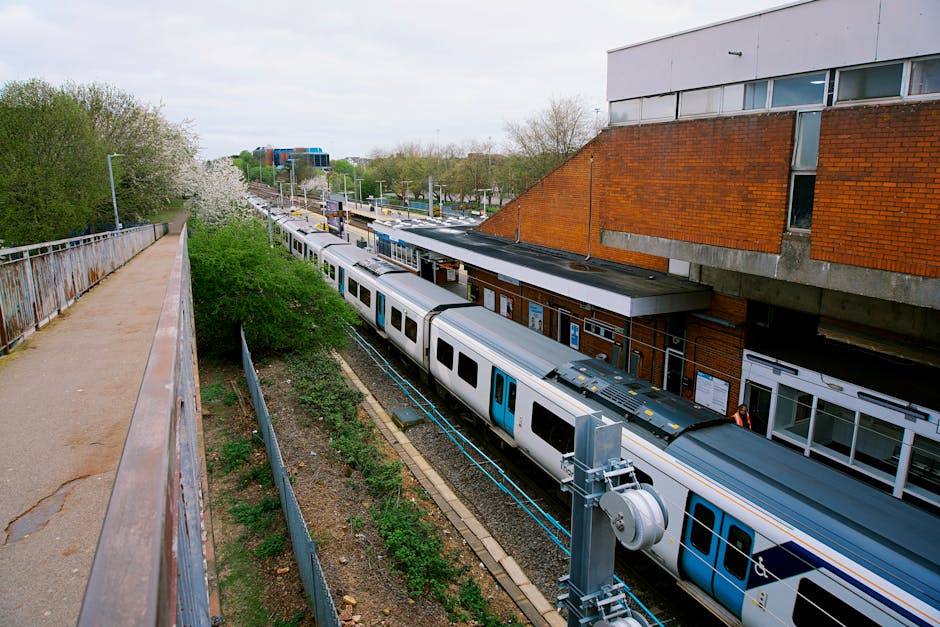
Hayes and Harlington Station Removals Guide for UB3 Homes
Moving home in UB3 can feel straightforward on paper until the practical details start stacking up: narrow streets, parking pressure, awkward stairwells, and the reality of getting everything out the door without drama. If you are planning a move near Hayes and Harlington station, a well-structured removals plan makes a real difference. This guide to Hayes and Harlington station removals guide for UB3 homes walks you through the decisions that matter, from packing and timing to vehicle access, lifting, storage, and choosing the right support for the job.
The aim is simple: help you move with fewer surprises and more control. Whether you are shifting a flat, a family house, student accommodation, or a mixed household with bulky furniture, the local setting around Hayes and Harlington brings its own moving-day quirks. You will find practical advice here, plus links to useful service pages and preparation guides that can make the whole process calmer and more efficient.
Table of Contents
- Why Hayes and Harlington station removals guide for UB3 homes matters
- How Hayes and Harlington station removals guide for UB3 homes works
- Key benefits and practical advantages
- Who this is for and when it makes sense
- Step-by-step guidance
- Expert tips for better results
- Common mistakes to avoid
- Tools, resources and recommendations
- Law, compliance, standards and best practice
- Options, methods and comparison table
- Case study or real-world example
- Practical checklist
- Conclusion
- Frequently asked questions
Why Hayes and Harlington station removals guide for UB3 homes Matters
Hayes and Harlington sits in a busy transport corridor, which is useful for commuting but not always forgiving for removals. In UB3, many homes are affected by limited driveway access, shared entrances, permit-sensitive parking, and fast-moving traffic patterns. A removals guide built around this area is not just a generic packing checklist; it is a way to plan around the environment you are actually moving in.
That matters because moving day is won or lost in the small details. A van that cannot stop close enough to the entrance, a sofa that will not fit through a hallway without protection, or a box packed too heavily for one person to lift can all slow everything down. A local-first approach helps you think ahead rather than improvise under pressure. If you want broader moving advice as well, these house-move strategies are a useful companion read.
There is also a trust factor. Homeowners and renters in UB3 often want more than transport. They want a mover who understands access, timing, safe handling, and the difference between a quick job and a carefully managed one. That is why the best removals advice combines logistics, protection, and communication rather than focusing on lifting alone.
Practical takeaway: the closer your plan matches the local street layout, property type, and loading access, the smoother your move will feel.
How Hayes and Harlington station removals guide for UB3 homes Works
In practice, a station-area removal works best when you treat it like a short project with clear stages. First comes the survey of what needs moving. Then comes the packing plan, the access plan, and finally the loading and delivery sequence. The process sounds obvious, but people often skip the middle steps and pay for it later in time, stress, and extra handling.
A typical UB3 move near Hayes and Harlington usually starts with identifying the property type. A top-floor flat with no lift needs a different plan from a terraced home with a front path and direct roadside access. If you are moving out of a flat, the dedicated flat removals service can be especially relevant, while larger properties may be better matched to house removals support.
From there, the removal team or self-managed mover will normally decide:
- what goes first and what needs special protection
- how many boxes and pieces of furniture are involved
- whether the van can park close enough for efficient loading
- if any items need dismantling or specialist handling
- whether storage is needed before or after the move
This is where planning makes a real difference. A route that looks short on a map can still be awkward if parking is tight or stair access is narrow. If you are unsure how to sequence packing, start with packing guidance for a smoother move so the boxes are ready in the right order.
Another practical point: delivery timing. For some households, early morning is best. For others, a later slot avoids school runs, commuter traffic, or handover delays. If timing matters to you, see delivery at a time that suits your schedule.
Key Benefits and Practical Advantages
A well-planned local removals approach does more than move objects from A to B. It reduces friction at every stage. For UB3 homes, especially around busy station zones, the main benefits usually come from better timing, better protection, and fewer wasted trips.
- Less carrying distance: thoughtful parking and loading can reduce the number of times items are lifted.
- Faster turnaround: organised boxes and labelled rooms help the unload happen in the right order.
- Lower damage risk: protective wrapping and sensible stacking prevent scuffs, dents, and crushed packaging.
- Better use of space: a careful load plan makes it easier to fit more safely into one trip.
- Less stress: once the key decisions are made in advance, the move becomes easier to manage mentally as well as physically.
There is another advantage that is easy to overlook: confidence. People usually feel more settled when they know the van will arrive at the right time, the furniture is protected, and the move has been broken into manageable steps. That confidence matters, especially if you are moving with children, pets, or a tight handover window.
For heavier or awkward items, specialist handling can make a big difference. You may find it useful to read about furniture removals and the practical care involved in moving larger household pieces.
Who This Is For and When It Makes Sense
This guide is useful for anyone moving in or around UB3, but it is especially relevant if you live near Hayes and Harlington station and need a realistic plan for a city-edge move. The local context tends to suit people who want practical support rather than a one-size-fits-all service.
It often makes sense for:
- homeowners moving between nearby postcodes
- tenants leaving a flat or shared house
- students or young professionals moving with smaller loads
- families with furniture, appliances, and boxed contents
- people who need same-day or short-notice help
- anyone who wants a safer alternative to borrowing a van and doing the lifting alone
If your move is light and straightforward, a man with van service may be enough. If the property is larger, or you have several heavy items, a broader removal services option can provide more breathing room. And if you are moving on a very tight timescale, same-day removals can be worth considering when availability allows.
Truth be told, there is no single "best" setup. The right choice depends on how much you own, how quickly you need it moved, and how much access complexity the property throws at you.
Step-by-Step Guidance
The following process works well for most UB3 moves near the station. It keeps the job practical and avoids the trap of packing too late or loading without a clear sequence.
1. Start with a room-by-room inventory
Write down what is moving, what is being sold or donated, and what needs extra care. This is the easiest way to avoid taking clutter you no longer want. If you are trimming down before moving day, decluttering smartly before a move can save time and box space.
2. Measure the awkward items
Doors, hallways, stair turns, radiators, banisters, and lift dimensions all matter. Measure sofas, wardrobes, beds, and appliances too. A quick measurement now can prevent a painful stall later when the item reaches the doorway and suddenly has opinions.
3. Gather packing materials early
Boxes, tape, wrap, labels, mattress covers, and furniture blankets are the basics. If you want a dedicated resource, packing and boxes support can help you plan quantities more accurately. Good materials are cheaper than replacing damaged belongings.
4. Pack by priority and fragility
Keep essentials accessible and separate fragile items from heavy ones. Label each box with the room and a simple content note. That small habit saves a lot of time at the destination and makes it easier for movers to place items correctly.
5. Prepare access for the van
Check parking, time restrictions, road width, and whether you may need to reserve a space or ask someone to keep a driveway clear. Even if you are using a smaller van, access around station-adjacent properties can be more constrained than expected.
6. Protect furniture and appliances
Wrap corners, secure drawers, tape loose doors, and drain appliances where needed. Beds and mattresses benefit from proper protection, so for those items it is worth reading safe bed and mattress transportation tips.
7. Load in a sensible sequence
Heavier items usually go in first, with lighter boxes and fragile items placed so they do not get crushed. Keep the items you need first at the destination near the back or in an easy-to-reach position. This kind of forward thinking saves a lot of rummaging later.
8. Finish with a final walk-through
Before the van leaves, check cupboards, loft spaces, under beds, and behind doors. It is amazing how often chargers, keys, remotes, and important papers hide in the final ten minutes.
Expert Tips for Better Results
Small improvements make a big difference on removals day. In our experience, the most effective moves are rarely the most dramatic ones; they are the most organised ones.
- Use colour-coded labels: one colour per room keeps unloading fast and almost instinctive.
- Do not overpack large boxes: heavy boxes are harder to carry and easier to drop.
- Keep essentials separate: kettle, medication, phone chargers, documents, and a change of clothes should travel in an easy-access bag.
- Disassemble early if needed: flat-pack furniture, bed frames, and shelving are far easier to move when broken down in advance.
- Schedule around traffic and handover windows: if you can avoid rushed overlap, do it.
- Protect floors and walls: hallway corners and freshly painted walls are common casualty points, especially in tighter properties.
One underused tactic is to pack "first-night" items together. That means bedding, toiletries, a towel, phone charging cables, tea or coffee, and basic kitchen essentials. It prevents the familiar end-of-day scramble where everyone is tired and nobody can find the mugs.
For heavier lifting techniques and safer manual handling habits, this guide on going solo with heavy lifting more safely is worth a look, as is the broader discussion around safe lifting principles.
Common Mistakes to Avoid
Most moving problems are predictable. The good news is that they are also avoidable.
- Leaving packing too late: last-minute boxing leads to poor labelling and broken items.
- Ignoring parking reality: a van can only load efficiently if it can actually stop near the property.
- Mixing heavy and fragile items: this is how lampshades meet disaster.
- Forgetting to measure furniture: a sofa that fits the room may still fail the stairwell test.
- Not confirming the timing: vague arrival windows can create avoidable waiting and stress.
- Skipping decluttering: moving items you no longer want just increases cost and effort.
Another common mistake is assuming all removals are alike. A compact flat move and a family house move may use similar tools, but the logistics are very different. If your move includes a piano, for example, that item deserves proper specialist handling; piano removals are one area where experience really matters.
And if you are moving out of a rental, do not leave the clean-up to the final ten minutes. A good exit clean can prevent unnecessary friction during handover. This practical guide on moving-out cleaning is genuinely useful.
Tools, Resources and Recommendations
The right tools do not make a move effortless, but they reduce risk and time pressure. A well-equipped move is often a calmer one.
| Item | Why it helps | Best use |
|---|---|---|
| Strong cardboard boxes | Protects belongings and stacks neatly | Books, clothing, kitchenware, mixed items |
| Packing tape and dispenser | Speeds sealing and improves box strength | All packed boxes |
| Bubble wrap or paper | Cushions delicate items | Glass, ceramics, electronics |
| Furniture blankets | Reduces scratches and scuffs | Tables, cabinets, wardrobes |
| Mattress covers | Protects bedding from dirt and moisture | Bed and mattress transport |
| Labels and marker pens | Speeds unloading and room placement | Every box and loose item |
Useful resources can also include storage options when move-out and move-in dates do not align. If you need a holding solution, look at storage in Hampton or, for related local service context, storage support in Hampton Hill. Temporary storage is particularly helpful when you are renovating, between tenancies, or waiting on keys.
For a more complete sense of services, the services overview page is a good starting point. If you want to understand pricing structure and how quotes are usually handled, see pricing and quotes.
Law, Compliance, Standards, or Best Practice
Removal work may not feel heavily regulated from the customer side, but there are still important standards and responsibilities in play. A professional mover should use sensible lifting practices, safe loading methods, and appropriate handling of items and vehicles. For clients, the key is to work with a provider that takes health, safety, and insurance seriously.
At a practical level, that means asking questions about:
- Insurance and safety: what cover is in place, and what exclusions may apply
- Manual handling: how heavy or awkward items are moved safely
- Property care: how walls, floors, doors, and communal areas are protected
- Terms and conditions: cancellation, delay, access issues, and liability boundaries
- Payment security: how payment details are handled
It is also sensible to check the mover's public-facing policies. Pages such as insurance and safety, health and safety policy, and terms and conditions can tell you a lot about how seriously a business approaches its responsibilities. If sustainability matters to you, you may also value the company's recycling and sustainability approach.
For renters, care also extends to end-of-tenancy expectations. A property should usually be returned in the condition required by your agreement, so cleaning, rubbish removal, and safe handling all play a part. None of this is glamorous, but it does save headaches.
Options, Methods, or Comparison Table
Choosing the right moving method depends on load size, access, and urgency. The table below gives a simple comparison of common options for UB3 homes near the station.
| Option | Best for | Strengths | Trade-offs |
|---|---|---|---|
| Man with a van | Small to medium loads, short distances | Flexible, practical, often cost-conscious | May be limited for larger homes or specialist items |
| Full removals service | Whole-home moves and bigger furniture loads | More support, better for complex access and multiple rooms | Usually more involved to arrange |
| Same-day removal | Urgent or last-minute moves | Fast turnaround and responsive help | Availability can be limited |
| Self-move with hired van | Very budget-conscious, hands-on movers | Control over timing and packing decisions | You carry all the planning, lifting, and driving risk |
If your move is mainly furniture-focused, a dedicated man with van may be the simplest fit. If you need broader support and equipment, a removal van arrangement might be better. For larger properties or more complicated access, the extra structure of a full service is often worth it.
For local readers in nearby areas, similar service structures are also available through man and van support in Hampton Hill and man and van support in Harlington, which can be useful for comparison when planning nearby moves.
Case Study or Real-World Example
Consider a typical UB3 scenario: a two-bedroom flat near Hayes and Harlington station, with one sofa, a double bed, a dining table, boxes of books, kitchenware, and a few appliances. The residents have a narrow stairwell, a limited loading window, and a handover deadline by late afternoon.
The move goes more smoothly when it is handled in layers. First, the flat is decluttered and broken into zones. Next, fragile items are packed separately from heavy books and cookware. Furniture is dismantled early. Finally, the van is positioned as close as access allows, with the most essential items loaded in a sequence that makes unloading simple at the new address.
What made the difference? Not luck. A clear loading order, a few measured decisions, and realistic expectations about access. The residents also kept one overnight bag per person, which meant they were not hunting for toothbrushes while surrounded by sealed boxes. A small thing, but very helpful.
In a case like this, the best outcome usually comes from combining planning and professional support. If you are unsure whether your move is better suited to a simple van or a more structured service, the local man and van service page and the broader removals information are both useful reference points.
Practical Checklist
Use this checklist to stay organised in the run-up to moving day:
- Confirm move date, time window, and access arrangements
- Check parking conditions near both properties
- Measure large furniture and awkward items
- Sort items into keep, donate, recycle, and discard
- Gather boxes, tape, wrap, labels, and covers
- Pack room by room and label clearly
- Set aside essentials for the first 24 hours
- Protect floors, corners, and vulnerable furniture surfaces
- Prepare appliances and unplug them safely in good time
- Take meter readings and photos if needed
- Do a final sweep of cupboards, lofts, and storage spaces
- Keep contact details and payment information ready
If you want a broader preparation rhythm, it can help to combine this checklist with decluttering guidance and a practical packing plan before the van arrives.
Conclusion
A move near Hayes and Harlington station does not need to be chaotic. With the right plan, UB3 homes can be packed, loaded, transported, and settled with far less strain than most people expect. The real difference comes from preparing for the local environment: access, timing, parking, item size, and the amount of hands-on help you actually need.
If you remember only one thing from this guide, let it be this: the smoother the setup before moving day, the easier the actual move becomes. That applies whether you are shifting a small flat or a full household. Keep the process practical, keep the essentials close, and choose a service level that matches the complexity of the job.
For additional reassurance, you can review complaints procedure, payment and security, and contact options before booking. That extra bit of checking is rarely wasted.
Get a free quote today and see how much you can save.
Frequently Asked Questions
What is the best removals option for a UB3 home near Hayes and Harlington station?
The best option depends on property size, access, and how much you are moving. A man with a van works well for smaller loads, while full removals support is better for bigger homes, bulky furniture, or tighter logistics.
How far in advance should I book a removals service?
Ideally, book as early as you can once your moving date is confirmed. If your timing is flexible, that gives you more choice. If it is urgent, same-day help may still be possible depending on availability.
Do I need to pack everything before the movers arrive?
Usually, yes for a smooth move. Most removal jobs go faster and more safely when boxes are already sealed and labelled. Some services may help with packing or partial packing, but it is best to confirm that in advance.
How do I know if my furniture will fit through the stairwell or doorway?
Measure the furniture and the tightest points in the property: doors, hall turns, and stair angles. If the item is especially large, dismantling may be necessary. Measuring early avoids unpleasant surprises on the day.
What should I do if I cannot get parking close to my property?
Tell the removals provider as soon as possible. They can help you plan around limited access, longer carrying distances, or alternative stopping points. The earlier this is discussed, the easier it is to adapt.
Is storage useful during a local move?
Yes, especially if your move-in and move-out dates do not line up or you are reducing clutter. Storage can also help if you are renovating or waiting for a property to be ready. It is a practical buffer, not just a backup plan.
What items usually need special care during removals?
Glass, mirrors, TVs, artwork, mattresses, pianos, and large furniture usually need extra protection. Heavy or awkward items can also require careful handling to avoid injury and damage.
Can I move on the same day I receive the keys?
Sometimes, yes. Same-day removals can work well if access is clear and the move is not too complex. It is wise to keep the schedule realistic and avoid packing the day with too many other commitments.
How can I lower the risk of damage during the move?
Use proper packing materials, label boxes clearly, wrap furniture, and avoid overloading boxes. Good lifting technique and careful stacking are equally important. It is often the simple habits that protect your belongings best.
What should I check before hiring a removals company?
Look at insurance, safety practices, pricing transparency, terms and conditions, and how the company handles access issues or delays. A reliable provider should be clear, responsive, and easy to understand.
Are there services for students or smaller households in the UB3 area?
Yes. Smaller moves often suit student removals or a simple man and van arrangement. These options are usually more practical when you have fewer items and want a straightforward, efficient service.
What is the most common moving mistake people make near station areas?
Underestimating access. Parking, loading distance, and narrow entry points often cause more delays than packing itself. If you plan for access first, the rest of the move is usually much easier.
How do I prepare appliances like freezers or fridges?
Follow sensible preparation steps well in advance, including defrosting and cleaning when necessary. If you need more detail, the guide on storing a freezer that is not in use is a practical reference.
Can I book a service that also helps with bulky furniture only?
Yes. If you only need help with a few large pieces, furniture-focused support is often the most efficient choice. It can be more cost-effective than arranging a full move for a smaller load.
Where should I start if I want to compare local moving options?
Start with the service overview, pricing information, and the contact page. That will help you compare the level of support you need with the timing and budget you have in mind.